Why Working Less Can Make You More Productive
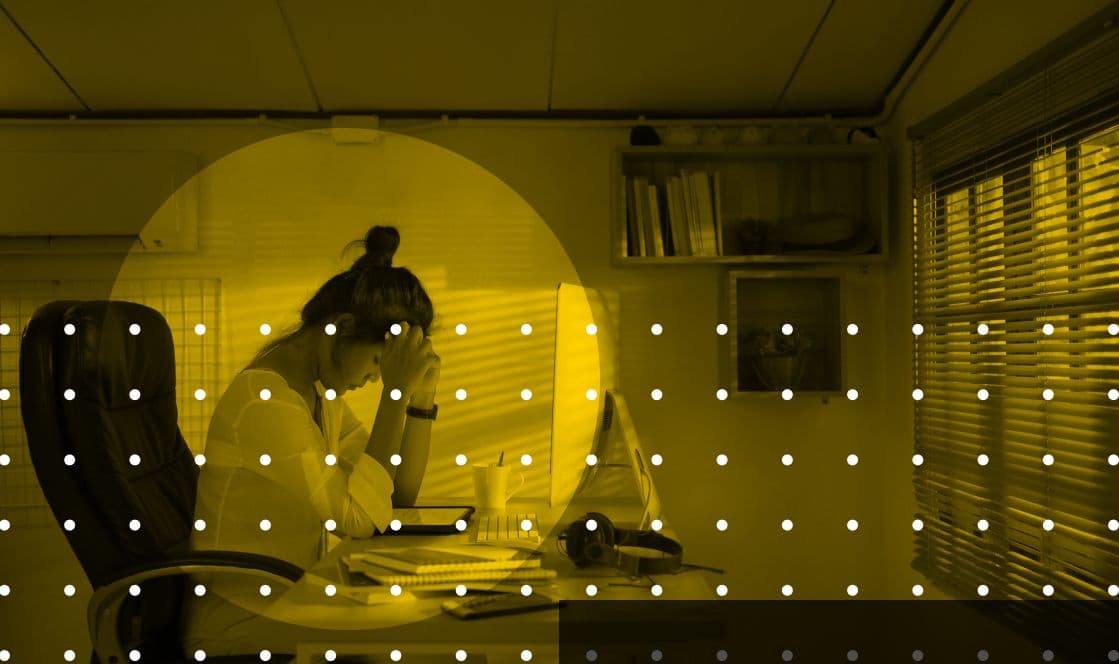
Most people believe that beingproductivemeans working harder and longer. The idea is that the more hours you put in, the better the results. ButRest: Why You Get More Done When You Work LessbyAlex Soojung-Kim Pangchallenges this belief.
Pang argues thatdeliberate rest, intentional breaks, downtime, and even boredomcan actually make youmore productive, more creative, and more effective. If you feelburned out, constantly busy, but not making real progress, this book is a must-read.
Want to optimize your schedule for better performance?Schedule a Discovery Callto build a productivity system that works for you.
Why Working Less Increases Productivity
Many peoplewear overwork as a badge of honor. The idea that pushing through exhaustion leads to better results is deeply ingrained in work culture. But Pang explains thatthis mindset is flawed.
The science of rest and productivity shows thatoverwork leads to mental fatigue, reduced creativity, and lower productivity. The longer you work without breaks, the worse yourfocus and decision-makingbecome.
Pang presents evidence thattaking intentional breaksactuallyboosts performance. Stepping away from work allows your brain to:
- Process ideasand make better decisions
- Strengthen problem-solving skills
- Unlock creativityand fresh perspectives
Many of history’s greatestthinkers and innovators, from scientists to artists, usedstructured downtimeto produce their best work. Instead of constantly grinding, they allowed space fordeep thinking and unexpected insights.
How Rest Improves Performance
Not allrestis created equal.Scrolling on your phone or passively watching TVdoes not provide the same benefits asdeliberate rest. Pang describes the most effective ways torecharge, including:
- Walking– Taking time away from screens and letting thoughts flow naturally
- Time in nature– Stepping outside to disconnect, reset, and boost creativity
- Unstructured thinking– Allowing ideas to surface without forcing them
I have found that some of my best ideas emerge when Istep away from work and letmy mind wander. A short walk, time in the woods, or even a few minutes ofquiet reflectioncan lead tomajor breakthroughs.
Read More:Building a Simple System for Writing a Book
Scheduling Rest for Maximum Productivity
Most peopledo not schedule rest. They work until they are exhausted and then crash. Pang encourages a different approach.Plan your rest as intentionally as you plan your work.
Some ways to integratedeliberate restinto your routine include:
- Short breaksthroughout the day to maintain focus
- Deep rest periodsafter intense work to allow recovery
- Time away from screensbefore bed to improve sleep and mental clarity
- Regular vacations or sabbaticalsto fully recharge
Makingrest a non-negotiablepart of your schedule helpsprevent burnoutand ensures you canconsistently perform at your best.
Work Smarter, Not Harder
Pang’s message is simple.Rest is not the opposite of work—it is part of it.The bestthinkers, creators, and performersunderstand thatpushing harder is not always the answer. Sometimes,stepping back is the most productive thing you can do.
Instead ofpushing yourself to the limit, tryadding more rest into your routine. You may find thatworking less actually helps you get more done.
Additional Resources
→ My Lead Generation Reading List
$100M Offers by Alex Hormozi$100M Leads by Alex HormoziExpert Secrets by Russell BrunsonThe Art and Business of Writing by Nicolas ColeFounder Brand by Dave Gerhardt
Predictable Revenue by Aaron Ross & Marylou Tyler
The Challenger Sale by Matthew Dixon & Brent Adamson→ My Sales & Marketing StackNotion (Productivity)