
How Sam Altman Uses a Simple Notebook to Capture and Execute Big Ideas
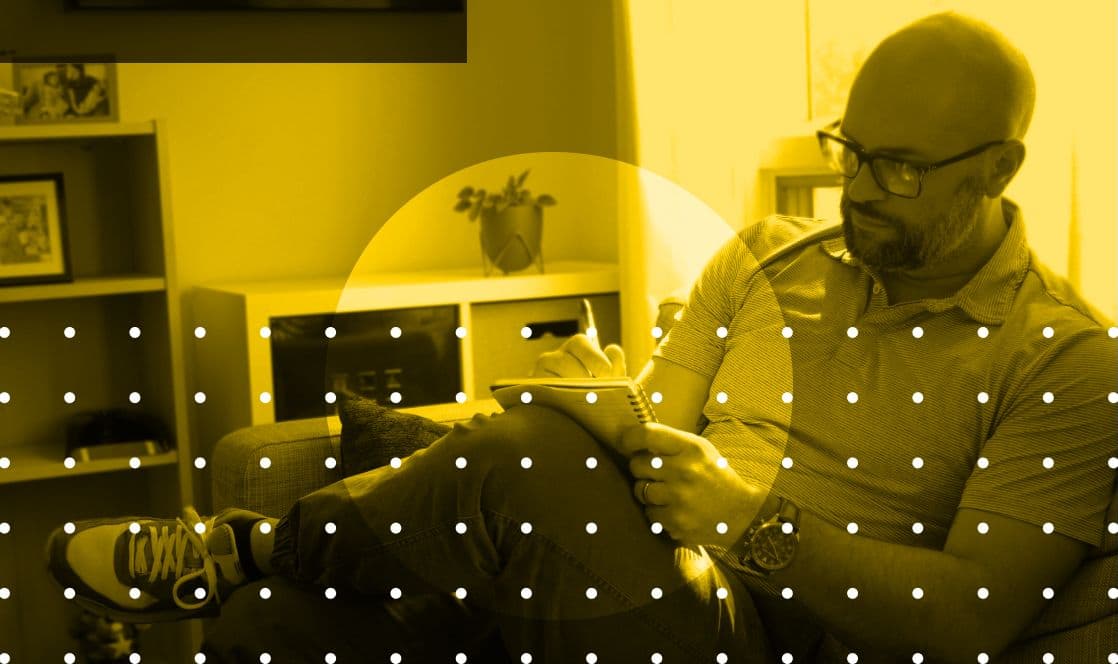
Sam Altman, CEO of OpenAI, has delivered ideas thatchange the direction of humankind. While many assume that his breakthroughs come from high-tech tools or complex systems, his process is surprisingly simple—apocket notebook, a pen, and a structured workflow.
In an interview onHow I Write, Altman shared his habit oftaking constant notes, ripping them out, spreading them across a desk, and processing them into actionable insights. This simple approach allows him torefine ideas, discard distractions, and turn concepts into real-world impact.
Let’s break down the Sam Altman productivity system so you can apply it to your entrepreneurial process.
Want to learn how successful founders capture ideas and build better systems for executing them?Schedule a Discovery Callto optimize your workflow.
Notebook vs. Digital Note-taking
Most people overcomplicate idea capture. They use apps, databases, and endless organization tools that createmore friction than momentum. Altman’s approach works because it isfast, tangible, and distraction-free.
- Lays flat for easy writing and reviewing.
- Uses thick, versatile paperthat accommodates different writing tools.
- Allows pages to be ripped outfor better organization and prioritization.
While Altman uses aTWN A6 craft-bound spiral notebook, there are plenty of alternatives, like theLochby Pocket Journalor theLochby Sidekick, which addstorage for pens, business cards, and other essentials.
No matter which notebook you choose, the key iskeeping it simple and always accessible.
Step 1: Capture Ideas Constantly
The Sam Altman productivity system begins withwriting down every idea, observation, and insight. Instead of filtering thoughts in real-time, he captures everythingwithout overthinking.
Some key principles for better note-taking:
- Write quickly, don’t self-edit.Capture ideas in raw form and refine later.
- Use shorthand or sketches.Whatever makes note-taking faster and more intuitive.
- Keep the notebook with you at all times.Ideas come unexpectedly, and a pocket-sized system ensures nothing is lost.
Capturing ideaswithout judgmentis crucial becausethe best ideas often seem incomplete or messy at first.
Step 2: Process Notes Into Actionable Steps
Writing notes is just the beginning. The real power comes fromprocessing and organizing them regularly.
Altman reviews his notes by:
- Spreading them out physicallyto get a broad view of all ideas.
- Grouping related ideas togetherto see patterns and connections.
- Discarding or crumpling up notesthat are no longer relevant.
To replicate this, set up aweekly review processwhere you:
- Sort notes into categorieslike tasks, ideas, and long-term projects.
- Transfer important items into a digital system(like Notion or a task manager).
- Physically discard completed or irrelevant notesto keep mental clarity.
If a note is worth keeping but not actionable yet, store it in a“Spark File”—a running list of ideas you can revisit later.
Step 3: Prioritize Execution Over Perfection
Altman emphasizesspeed and iteration over perfection. He does not wait until an idea is fully developed before testing it. Instead, heexecutes, refines, and repeats.
To implement this in your process:
- Prioritize one high-impact action per day.What is the single most crucial task that will move your idea forward?
- Use checklists to break down execution.Simple lists keep projects moving without overwhelming detail.
- Embrace fast iteration.Launch early, learn from feedback, and adjust rather than over-planning.
Ideas that stay in notebooks do not change the world—only execution does.
Read More:The IDEA+ Framework: How Great Founders Think, Build, and Scale
Step 4: Move Notes Into a Second Brain (Digital System)
Once notes are processed, they should be stored in a system thathelps you execute. Altman moves his best insights intoa structured digital database.
For example, in Notion, you can:
- Store big ideas in a“Spark File”for later exploration.
- Convert actionable items intotasks and projects.
- Use AI tools tosearch, summarize, and refine past notesto fuel future decisions.
Combiningpen-and-paper note-taking with a structureddigital system givesyouthe best of both worlds—fast idea capture and long-term organization.
Why This System Works
Altman’s best idea capture system for entrepreneurs works because itminimizes friction, removes distractions, and prioritizes execution. By following a similar process, you can:
- Capture ideas easily without overthinking.
- Regularly process notes into clear action steps.
- Prioritize execution over perfection.
- Store and refine ideas in a structured way for long-term value.
This method issimple, powerful, and adaptableto any industry or role.
Start Your Idea Capture System Today
If you want to learn how successful founders capture ideas:
- Get a simple, portable notebook and pen.
- Capture every idea without filtering.
- Review and process notes weekly to prioritize execution.
- Move key insights into a digital system for refinement.
Most people let their best ideas fade away. The best idea capture system for entrepreneurs allows you torefine and act on them relentlessly.
Additional Resources
→ My Lead Generation Reading List
$100M Offers by Alex Hormozi$100M Leads by Alex HormoziExpert Secrets by Russell BrunsonThe Art and Business of Writing by Nicolas ColeFounder Brand by Dave Gerhardt
Predictable Revenue by Aaron Ross & Marylou Tyler
The Challenger Sale by Matthew Dixon & Brent Adamson→ My Sales & Marketing Stack